
Calories & Alcohol
How Many Calories Are in Whiskey? A Simple Guide
· 5 min read · By CalDrop
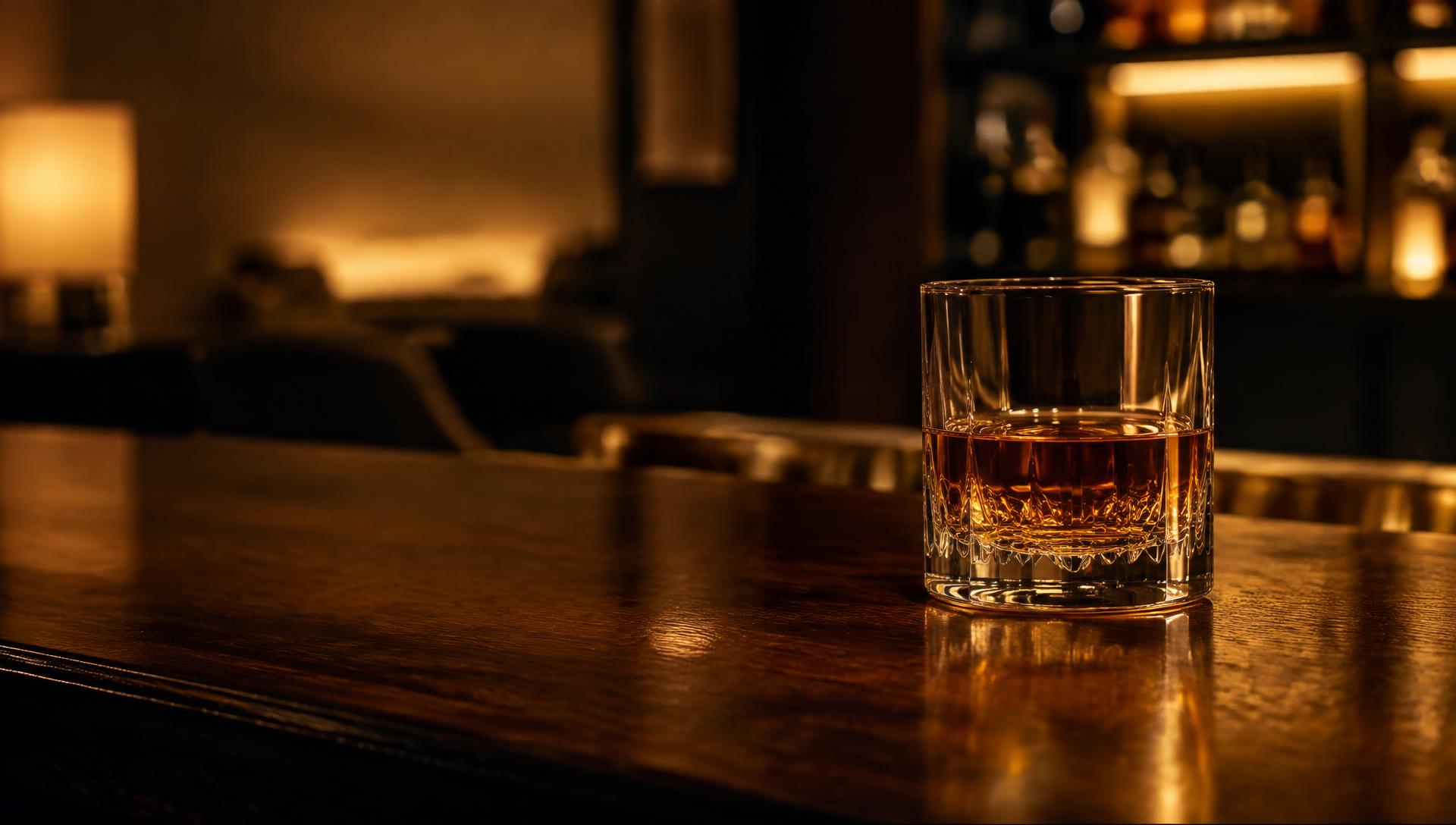
Short answer: the calories in whiskey come almost entirely from its alcohol. A standard 1.5 oz (44 ml) shot of 80 proof (40% ABV) whiskey has about 97 calories, based on USDA data for distilled spirits. Stronger whiskey and bigger pours have more.
Here's how those numbers work, what changes them, and how whiskey compares with other drinks.
How many calories are in a shot of whiskey? Calories by serving size and proof
Calories for plain whiskey in standard US pours. Proof is twice the ABV, so 80 proof whiskey is 40% alcohol by volume. Many bourbons and Scotches are bottled at 80 to 100 proof; check your bottle's label for its exact ABV.
| Serving | 80 proof (40% ABV) | 86 proof (43% ABV) | 90 proof (45% ABV) | 100 proof (50% ABV) |
|---|---|---|---|---|
| 1 fl oz | 64 | 70 | 73 | 82 |
| 1.5 fl oz (standard US shot) | 97 | 105 | 110 | 124 |
| 2 fl oz | 128 | 139 | 146 | 164 |
Values are calculated from USDA FoodData Central records for 80 proof distilled spirits, 86 proof whiskey, 90 proof and 100 proof spirits, using USDA's serving weights (1 fl oz = 27.8 g; 1.5 fl oz = 42 g). The 2 fl oz values are twice USDA's 1 fl oz weight. Individual products can vary.
Why whiskey calories vary
ABV (alcohol by volume)
Alcohol provides about 7 calories per gram, more than carbohydrates or protein (about 4 per gram). Because almost all of whiskey's calories come from alcohol, a higher proof bottle means more calories in the same pour. A cask-strength whiskey at 55% or 60% ABV can carry roughly a third to half more calories per ounce than a 40% one.
Serving size
The CDC and NIAAA define a US standard drink of spirits as 1.5 oz at 40% ABV, which contains about 14 grams of pure alcohol. Many home and bar pours are larger than that, so a "single" can easily be closer to 2 oz or more.
Straight whiskey vs. whiskey with mixers
Straight whiskey, or whiskey with water, ice or soda water, adds no meaningful calories beyond the alcohol. Regular cola, ginger ale, sweet vermouth, syrups and liqueurs do. The calories from a sugary mixer depend on the product and how much you pour, so check the label; a whiskey and cola can easily end up well above the calories of the whiskey alone. To estimate a mixed drink, add the calories for your whiskey pour from the table above to the calories listed on the mixer's Nutrition Facts label for the amount you actually pour.
Does whiskey have carbs?
Plain distilled whiskey contains essentially zero carbohydrates, sugar or fat according to USDA data. Its calories come from alcohol rather than carbs. Flavored whiskeys, honey whiskeys and whiskey liqueurs are different: they can contain added sugar, so their labels are worth checking.
Can you drink whiskey while trying to lose weight?
Whiskey doesn't automatically cause or prevent weight loss. Weight change depends on your total energy intake and energy use over time, and drinks count toward that total just like food does.
Research suggests alcohol calories are easy to underestimate: a 2021 systematic review found that most participants across the included studies were inaccurate about the calorie content of alcoholic drinks.
If you drink while managing your weight, counting your drinks, knowing your pour size and choosing low calorie mixers can help you keep a more accurate picture. The current 2025 to 2030 Dietary Guidelines state: "Consume less alcohol for better overall health." They also note that some people should not drink at all.
Whiskey vs. other alcoholic drinks
Typical servings, estimated. Real values depend on the brand, ABV and pour.
| Drink | Typical serving | Estimated calories |
|---|---|---|
| Whiskey, 80 proof | 1.5 oz shot | about 97 |
| Vodka, 80 proof | 1.5 oz shot | about 97 |
| Gin, 80 proof | 1.5 oz shot | about 97 |
| Regular beer, about 5% ABV | 12 oz | about 150 |
| Wine, about 12% ABV | 5 oz glass | about 120 to 125 |
At the same proof, whiskey, vodka and gin are very similar, because nearly all their calories come from alcohol. Beer and wine also get calories from carbohydrates, and their totals vary widely by style. For a closer look at how a few beers add up, see our guide to World Series beer and ballpark food calories.
Liquid calories still count
Most of us think about what's on the plate and forget what's in the glass. That's the idea behind CalDrop. We're building an app that shows the calories you drink alongside the calories you eat, so you can see how drinking habits fit into your overall intake. You can read more in liquid calories vs. food calories and whether tracking alcohol calories helps, or see CalDrop's planned features and why we're building it.
Want to try it first? .
FAQ
How many calories are in a shot of whiskey?
A standard 1.5 oz (44 ml) shot of 80 proof (40% ABV) whiskey has about 97 calories. Higher proof whiskey has more.
How many calories are in 2 oz of whiskey?
About 128 calories for 80 proof whiskey and about 139 for 86 proof, based on USDA data. A 100 proof pour is about 164.
Does whiskey have carbs?
Plain distilled whiskey contains essentially zero carbohydrates according to USDA data. Its calories come from alcohol. Flavored whiskeys and liqueurs can contain added sugar.
Is whiskey lower in calories than beer?
Per typical serving, usually yes. A 1.5 oz shot of 80 proof whiskey is about 97 calories, while a 12 oz regular beer is often around 150. Mixers and the number of drinks change the picture.
Does whiskey make you gain weight?
No single drink causes weight gain on its own. Whiskey adds calories like any other food or drink, and weight change depends on your total intake and activity over time.
References
- USDA FoodData Central: Alcoholic beverage, distilled, whiskey, 86 proof (FDC 174819); all distilled spirits at 80, 90 and 100 proof (FDC 174815, 171920, 173664). USDA FoodData Central
- National Institute on Alcohol Abuse and Alcoholism (NIAAA): What is a standard drink? NIAAA
- Centers for Disease Control and Prevention (CDC): Standard drink sizes. CDC
- Dietary Guidelines for Americans, 2025 to 2030 (USDA and HHS). Health.gov
- Dietary Guidelines for Americans, 2025–2030 (official PDF, USDA and HHS). realfood.gov
- Robinson et al. (2021). Alcohol, calories, and obesity: A rapid systematic review and meta-analysis. PubMed