
Calories & Alcohol
“Just a Few Pints”: The Calories Missing From Your Week
· 4 min read · By CalDrop
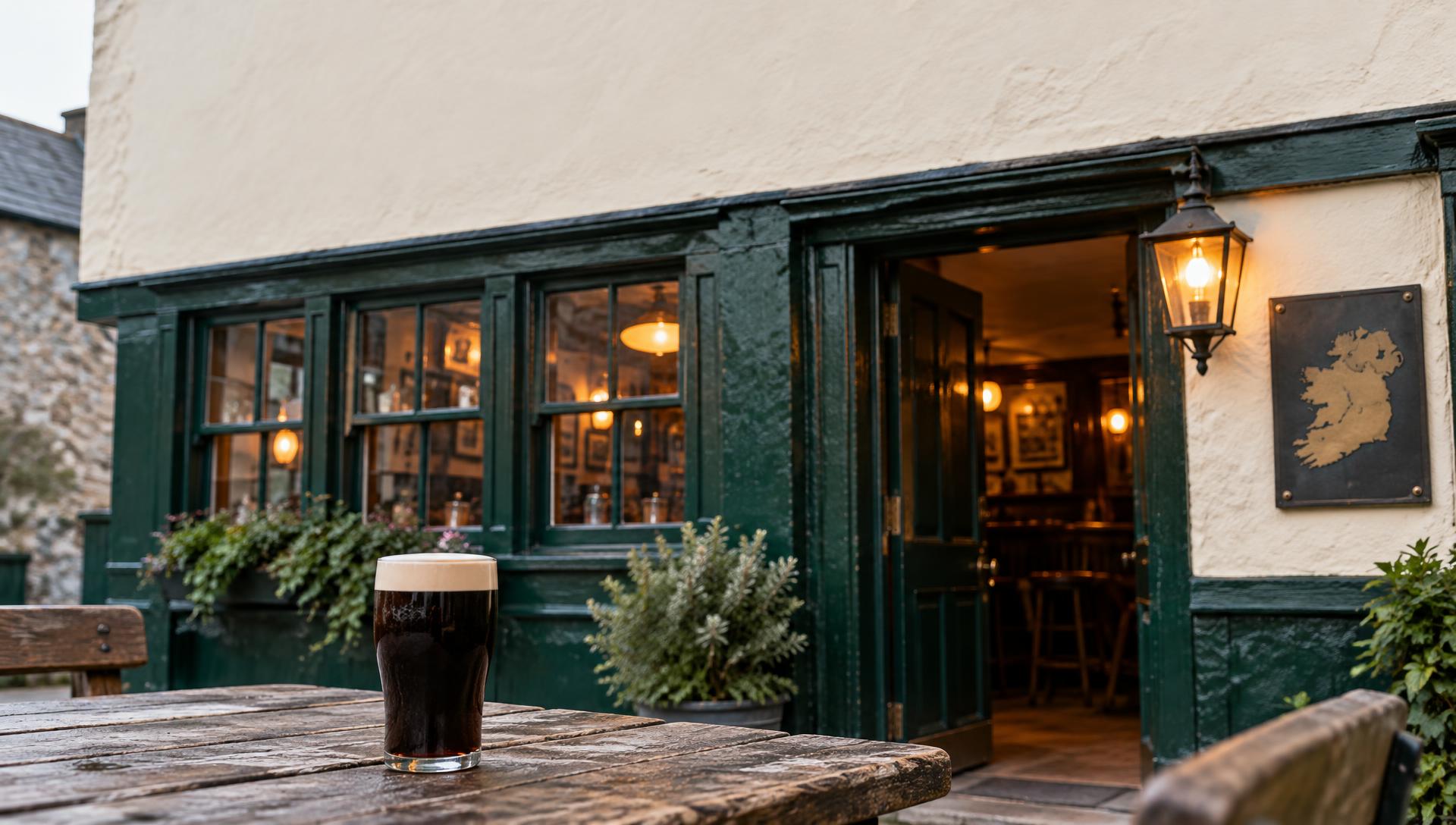
Friday night at the local. A round while watching the football. Wine with Sunday lunch.
If those moments feature in your week, they belong in your calorie picture too.
You might track your breakfast, weigh your pasta and think carefully about lunch. But do the drinks get the same attention?
That is the question behind CalDrop: what are you missing when you count the food but leave out the drinks?
What does “a few” actually mean?
Imagine your usual pint contains 200 calories. That is an illustrative figure, so check the information for your particular drink. Our guide to calories in a pint of UK lager, beer and cider compares popular drinks.
At that amount, the maths looks like this:
| Drinks | Calories |
|---|---|
| One pint | 200 |
| Three pints | 600 |
| Five pints | 1,000 |
Those totals cover the drinks alone. Add any crisps, chips or takeaway separately.
This is not a prediction of weight gain. It is a way to make one part of your intake visible. Your weight depends on your overall intake and energy expenditure over time.
“Just a few” describes an evening. It does not tell you how many calories you consumed.
What research in England tells us
A UCL study published in 2024 examined survey responses from 4,683 adults in England. Among respondents classified as hazardous drinkers, 54% said they would change their drinking if alcohol carried calorie labels, compared with 44% of lower-risk drinkers.
These were people’s stated intentions. The study did not demonstrate that labels made them drink less or lose weight. The researchers also cautioned that calorie information alone was unlikely to produce a substantial reduction in alcohol-related harm.
For CalDrop, the practical takeaway is straightforward: information can support a decision, but you still need a useful way to act on it. For more on the evidence, see whether tracking alcohol calories can help you lose weight.
Make your actual drink the starting point
A pint at the pub, a can from the fridge and a glass poured at home are different servings.
Record what you actually had. Include the serving size, the specific drink where possible, and any mixer. If you are estimating, treat the result as an estimate.
Then look at the week.
Did you have the drinks you planned? Did the rounds keep coming after you had decided to stop? Was the second glass a deliberate choice or simply a refill?
Those questions are more useful than beating yourself up on Monday.
Make the choice deliberate
Start with one small change:
- Decide how many alcoholic drinks you want before the first round.
- Order your own drink when rounds make it difficult to keep track.
- Check the serving size when pouring at home.
- Include non-alcoholic drinks in your log too.
- Review the whole week, including quieter evenings at home.
The aim is to understand your pattern well enough to choose what happens next.
A lower calorie count does not make an alcoholic drink harmless. Calories are one part of the picture.
Why CalDrop starts with the drinks
CalDrop is being built around a simple belief: alcohol calories deserve a clear place in the weight-management conversation.
Whether your week includes a London pub, a Manchester match night, a Cardiff dinner or a quiet evening in Glasgow, the question is the same.
Are your drinks part of the picture?
and follow what we are building.
Liquid Calories Still Count.
Source
- UCL News (September 2024): Calorie labels on alcohol might help some drinkers maintain a healthier weight. ucl.ac.uk