Calories in America's Most Popular Cocktails
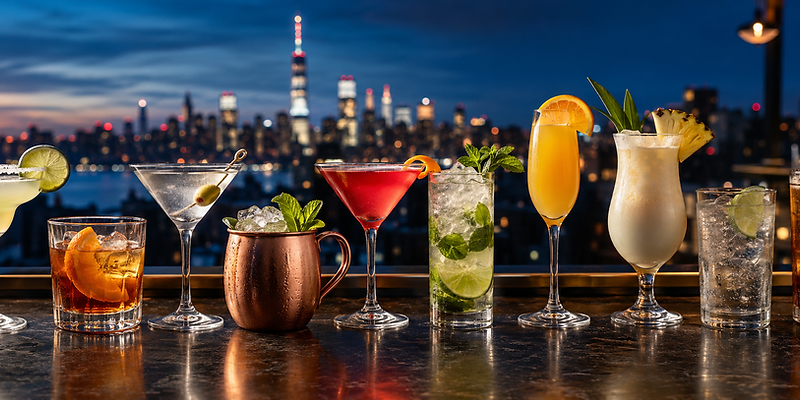
The table below summarizes realistic calorie estimates for ten of the most popular cocktails served across the United States. Each is based on a clearly defined US style serving and an official cocktail recipe.
| Cocktail | Example US serving | Estimated calories |
|---|---|---|
| Margarita | One cocktail made with approximately 1.5 fl oz tequila | 200 to 300 |
| Mojito | One highball made with approximately 1.5 fl oz rum | 120 to 170 |
| Dry Martini | Approximately 2.5 to 3 fl oz | 160 to 200 |
| Old Fashioned | One rocks glass | 150 to 180 |
| Moscow Mule | One mug made with approximately 1.5 fl oz vodka | 180 to 220 |
| Cosmopolitan | One cocktail glass | 150 to 200 |
| Long Island Iced Tea | One highball glass | 220 to 300 |
| Piña Colada | One standard cocktail | 300 to 500 |
| Mimosa | One champagne flute | 100 to 150 |
| Vodka Soda | 1.5 fl oz of 40% ABV vodka with plain soda water | Approximately 96 to 100 |
These figures are estimates, not universal nutrition facts. The final calorie count depends on the brands, quantities, alcohol strength, mixers and serving size used. Frozen and oversized restaurant cocktails may contain substantially more.
These figures are estimates, not universal nutrition facts. The final calorie count depends on the brands, quantities, alcohol strength, mixers and serving size used. Frozen and oversized restaurant cocktails may contain substantially more. For a broader look across drink types, see our complete guide to how many calories are in alcohol.
Why Cocktail Calories Vary
There is no universal calorie count for a margarita, mojito or martini, because cocktails combine several calorie sources and every bar pours a little differently.
Calorie totals depend on six main factors:
- The amount and strength of the alcohol. More spirit, or a higher proof, means more calories from alcohol before anything else is added.
- Added liqueurs. Orange liqueur, triple sec, and other liqueurs contribute both alcohol and sugar.
- Simple syrup, agave nectar or sugar. Sweeteners add calories quickly, and the amount varies from bar to bar.
- Juice and regular soda. Cranberry, pineapple, and orange juice, plus regular soda or ginger beer, add sugar and calories.
- Cream of coconut or other rich ingredients. Creamy and coconut-based mixers are calorie dense and can push a drink well above 300 calories.
- The size of the drink. A larger glass holds more of everything, so calories climb with serving size.
On the other hand, ice and plain soda water do not meaningfully add calories. That is why a spirit mixed with soda water stays low while the same spirit mixed with juice, syrup, or cream climbs fast. A useful fact to keep in mind: alcohol itself contains approximately seven calories per gram, so even a drink with no sugar at all still carries calories from the alcohol. These figures are intended for adults of legal drinking age, which is 21 in the United States.
How Many Calories Are in a Margarita?
A margarita made to a classic specification usually falls around 200 to 300 calories, but frozen and oversized restaurant servings may contain considerably more.
The Patrón Perfect Margarita is a useful defined recipe example:
Patrón Perfect Margarita (recipe example)
- 1.5 fl oz Patrón Silver
- 1 fl oz Patrón Citrónge Orange Liqueur
- 0.75 fl oz fresh lime juice
- 0.25 fl oz simple syrup
A margarita made to this general specification will usually fall around 200 to 300 calories depending on the orange liqueur, sweetener and quantities used. Frozen margaritas and oversized restaurant servings may contain considerably more, because blended mixes often add extra sugar and the pour sizes are larger. There is no single calorie count that applies to every margarita.
How Many Calories Are in a Mojito?
A classic mojito is reasonably estimated at approximately 120 to 170 calories.
The official BACARDÍ US mojito recipe is a useful reference:
BACARDÍ Mojito (official recipe)
- 1.5 fl oz BACARDÍ Superior rum
- 0.75 fl oz fresh lime juice
- 0.75 fl oz soda water
- 0.5 fl oz one-to-one sugar syrup
- Fresh mint
This type of mojito is reasonably estimated at approximately 120 to 170 calories. The amount of sugar syrup is the main variable after the rum, so a sweeter pour will push the total toward the higher end. To read more about the rum itself, see our guide to calories in distilled spirits and mixers.
How Many Calories Are in a Martini?
A traditional dry martini primarily contains gin or vodka and dry vermouth, and a standard 2.5 to 3 fl oz martini is approximately 160 to 200 calories.
Absolut's official calorie guide gives approximately 160 calories for a 2.5 fl oz martini. Because a dry martini has little to no sweetener, most of the calories come from the spirit itself. Larger pours and higher proof spirits increase the total, so a 3 fl oz martini or one made with overproof gin will sit near the top of the range.
How Many Calories Are in an Old Fashioned?
An Old Fashioned usually combines whiskey or bourbon, sugar or simple syrup, and bitters.
One standard rocks glass is approximately 150 to 180 calories. Additional syrup or a larger whiskey pour raises the total, while a drier build with less sweetener keeps it toward the lower end. Because the spirit provides most of the calories, the proof of the bourbon and the size of the pour matter more than the bitters, which add almost nothing.
How Many Calories Are in a Moscow Mule?
A Moscow Mule usually contains vodka, ginger beer, and lime juice, and one mug is approximately 180 to 220 calories.
Regular ginger beer provides much of the added sugar and calories in a Moscow Mule. A zero sugar ginger beer can reduce the total significantly, but the calories from the vodka remain. As with most cocktails, the size of the pour and how much ginger beer is added move the final number.
How Many Calories Are in a Cosmopolitan?
A Cosmopolitan typically combines citrus vodka, orange liqueur, lime juice, and sweetened cranberry juice.
One cocktail glass is approximately 150 to 200 calories. Absolut's official recipe uses Absolut Citron, triple sec, lime juice, and sweetened cranberry juice. The sweetened cranberry juice is the main source of added sugar, so the amount used shifts the total within the range.
How Many Calories Are in a Long Island Iced Tea?
A Long Island Iced Tea commonly contains vodka, rum, gin, tequila, triple sec, lemon juice, and cola, and one highball is approximately 220 to 300 calories.
Despite the name, a Long Island Iced Tea does not normally contain tea. The amber color comes from the cola. Because several spirits are combined, a Long Island Iced Tea can contain more alcohol than many other single cocktails, which also means more calories from alcohol. The exact total depends on how much of each spirit is poured and how much cola and sour mix are added. Recipes that pour smaller measures of each spirit sit toward the lower end, while generous pours and extra cola push the total higher. This article does not treat the cocktail as containing multiple full shots unless the specific recipe does so.
How Many Calories Are in a Piña Colada?
A piña colada usually combines rum or coconut flavored spirit, pineapple juice, and cream of coconut, and one standard cocktail is approximately 300 to 500 calories.
Cream of coconut, pineapple juice, and serving size create substantial variation. Cream of coconut in particular is calorie dense, and larger pours of juice push the total up quickly. Frozen restaurant versions may be larger and higher in calories, so a piña colada from a bar blender can easily sit at the top of the range or above it.
How Many Calories Are in a Mimosa?
A mimosa combines sparkling wine and orange juice, and one champagne flute is approximately 100 to 150 calories.
The wine to juice ratio and the glass size determine the final total. A flute with more orange juice will carry a few more calories from the juice, while a drier pour with more sparkling wine keeps the total toward the lower end. Larger brunch glasses can hold considerably more than a standard flute, so the serving size is the main variable.
How Many Calories Are in a Vodka Soda?
A defined serving of 1.5 fl oz of 40% ABV vodka with plain, unsweetened soda water is approximately 96 to 100 calories.
Plain soda water contributes essentially no calories, so nearly all the calories come from the vodka. Do not confuse soda water with tonic water. Tonic water may contain added sugar and calories, so a vodka tonic will usually be higher than a vodka soda for the same pour.
Which Popular Cocktail Is Lowest in Calories?
Among the examples in this article, a vodka soda made with 1.5 fl oz of 40% ABV vodka and plain soda water is generally one of the lowest calorie choices.
Ordering a single spirit with plain soda water, choosing smaller servings, and requesting less syrup can all reduce calories. No alcoholic drink is being called healthy here. Lower in calories simply means the drink contributes fewer calories to your day, not that it is good for you.
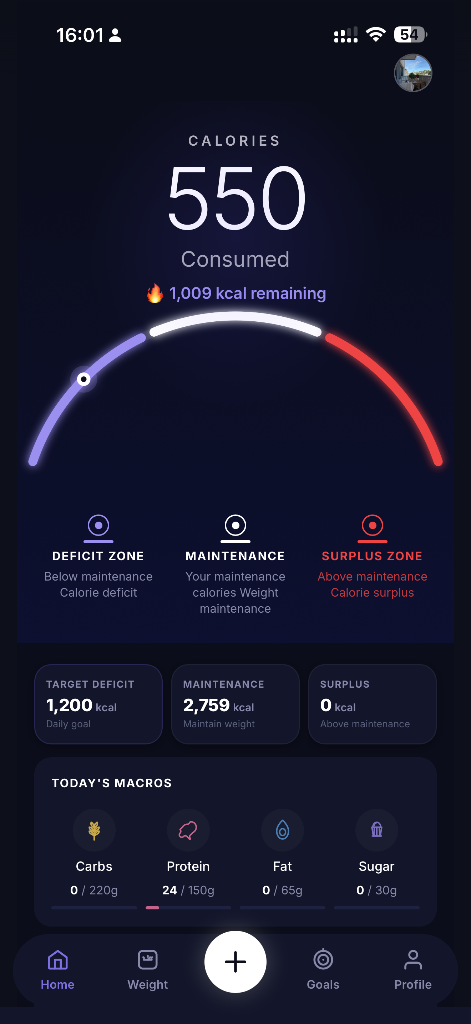
Caldrop is designed to help people track calories from alcohol without pretending that social occasions do not exist. Logging the spirit, mixer, and serving size separately can produce a more realistic estimate than selecting a generic cocktail with no recipe information. For more on how that fits into a weight loss plan, read our guide on drinking alcohol while losing weight.
Liquid Calories Still Count.
The Bottom Line
Cocktail calories depend on what is poured into the glass. The same drink can be light or loaded depending on the recipe, the pour, and the mixers.
The most useful habit is to check serving sizes and log each ingredient when possible. A vodka soda, a dry martini, and a small mojito sit at the lower end, while a piña colada, a frozen margarita, and a generous Long Island Iced Tea sit at the higher end. Knowing the difference is what keeps a social night from quietly closing a calorie deficit.
Liquid Calories Still Count.
Frequently Asked Questions
Direct answers to the most common questions about calories in popular cocktails.